Paver Calculator
Estimate pavers, base material, bedding sand, and edge restraint before you order the job and commit to a layout pattern.
Estimate pavers, base material, bedding sand, and edge restraint before you order the job and commit to a layout pattern.
Proper paver installation requires compacted base, sand layer, and edge restraint for longevity.
This page is for the basic material check: paver count, base quantity, sand quantity, perimeter restraint, and expected waste by pattern.
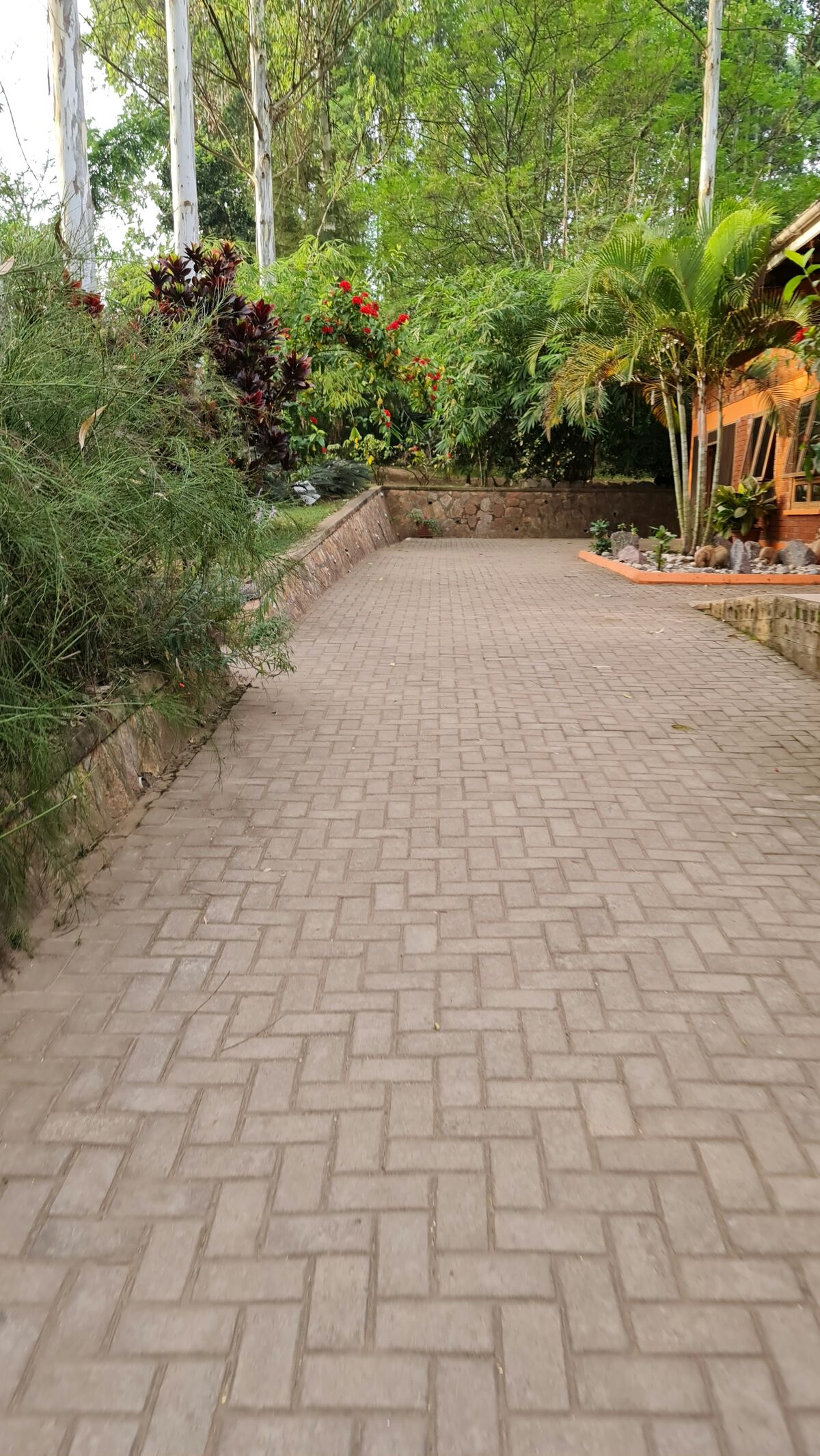
Running bond and straight grid usually waste less material. Herringbone and basketweave often need more cuts, which raises the final paver count and should be reflected in the order.
Most installations still depend on a properly compacted gravel base and a separate bedding layer. The exact thickness depends on traffic, soil, and the system being installed.
Slope, edge restraint, and cut waste change the final order. Complex layouts, borders, and angle cuts usually push waste above the baseline count shown for a simple rectangular field.
| Paver Size | Pavers/Sq Ft (grid) | Pavers/Sq Ft (herringbone) | Weight (typical) | Best Application |
|---|---|---|---|---|
| 4×8" | 4.5 | 5.5 | 5-7 lbs | Walkways, small patios |
| 6×6" | 4.0 | 4.5 | 8-10 lbs | Patios, paths |
| 6×9" | 2.67 | 3.2 | 10-12 lbs | Running bond, driveways |
| 12×12" | 1.0 | 1.2 | 20-25 lbs | Large patios, driveways |
4x8": 4.5/sq ft. 6x6": 4.0/sq ft. 6x9": 2.67/sq ft. 12x12": 1.0/sq ft. Herringbone runs slightly higher because of the angled cuts. But the calculator handles all that math for you.
Patio: 4 inches. Heavy foot traffic: 4-5 inches. Driveway: 5-6 inches. Compaction matters more than total depth. Compact in 2-inch lifts with a plate compactor. Skimpy base = pavers sink.
Polymeric wins. No weeds, no washout, locks joints, low maintenance. Costs 2-3x more but it lasts. Regular sand is budget-friendly but weeds grow, sand washes, you'll be maintaining it constantly. Use polymeric if you care about the install.
No. Compacted gravel is standard and works fine. Concrete is overkill and expensive. Only go concrete if soil's trash or you're talking extreme heavy traffic. Gravel properly compacted does the job.
Herringbone looks sharp and professional but needs more cuts and skill. Running bond is faster, simpler, less waste. Herringbone if looks matter and budget's okay. Running bond if you want speed and durability.