Insulation Calculator
Calculate how much insulation you need for a space. Compare R-values, types, and materials with practical quantity and cost estimates.
Calculate how much insulation you need for a space. Compare R-values, types, and materials with practical quantity and cost estimates.
Insulation thickness varies by type. Higher R-values require more thickness or denser material.
R-value is thermal resistance. Higher number = better heat resistance. Thicker material = higher R-value. Fiberglass batts: 3.5 R per inch. Closed-cell foam: 6-7 R per inch. Pick a target R-value for your region. Codes require R-38 to R-49 in attics in cold climates. Walls: R-13 to R-21. HVAC system efficiency depends on it.
Cold climates: R-38 to R-49 attic. Moderate: R-30 to R-38. Warm: R-19 to R-30. Walls (all climates): R-13 to R-21. Basement/crawl: R-19 to R-30. Check your local code. Don't guess.
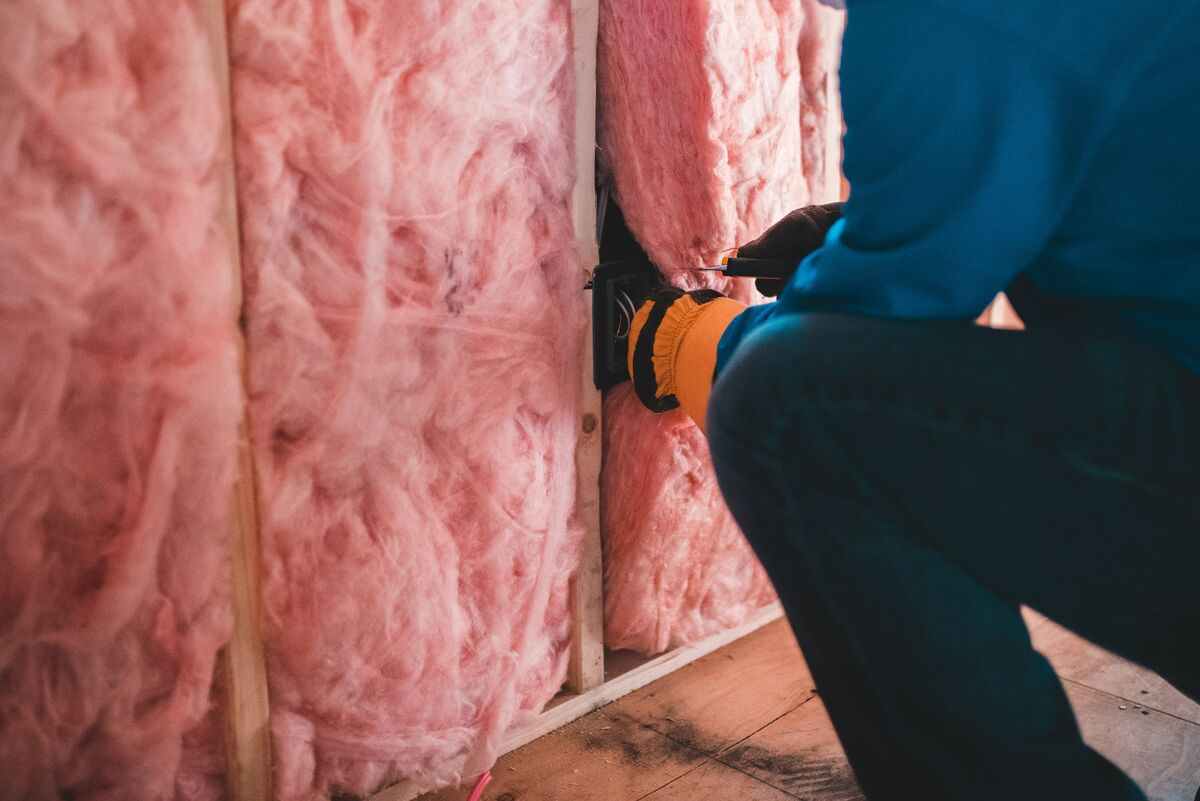
Fiberglass batts: Cheap, easy DIY. 3.5 R/inch. Comes in rolls. Don't compress—you lose R-value. Needs vapor barrier. Perfect for standard framing. The budget choice.
Blown-in (cellulose or fiberglass): Loose material blown in. Fills voids better than batts. 3.6 R/inch. Good for attics and existing homes. Cellulose is recycled paper (eco). Fiberglass is non-combustible. Needs professional blower equipment.
Spray foam (open-cell): Two-part, sprayed on site. 3.5-4.5 R/inch. Creates an air seal as it expands. Good for sealing leaks. Requires pro. Absorbs water—skip this for basements.
Spray foam (closed-cell): Denser. 6-7 R/inch—highest of the bunch. Moisture resistant. Expensive. Best for basements, exterior. Pro only. Best performance.
Rigid foam board: XPS (blue/pink) or polyiso. 5-6 R/inch. Used on basements, exterior walls, roofs. Creates continuous layer with no gaps. More money but zero thermal bridges.
Desired R-value ÷ R per inch of material = thickness needed. Want R-19 with fiberglass (3.5 R/inch)? 19 ÷ 3.5 = 5.4 inches. Grab 6-inch batts. Want R-30 with blown cellulose (3.6 R/inch)? 30 ÷ 3.6 = 8.3 inches. Blow 8+ inches depth.
Vapor barrier = kraft paper facing. Face it toward the warm side (indoors in cold climates). Stops moisture migration. Air sealing matters as much as R-value. Seal cracks and penetrations with caulk before installing batts. Air leaks negate insulation benefits. Spray foam does both—seal and insulate at once.
Batts: Snug but not compressed. Compression kills R-value. Seal air leaks first. Ventilate attics properly (soffit to ridge). Fill voids completely. Blown-in: Pro equipment needed. Spray foam: Pro only. Rigid foam: Seal edges with foam tape or caulk.
Fiberglass: $0.50-1.50 per sq ft (DIY friendly). Blown-in: $1.50-3.00. Spray foam: $3-8+ (pro only). Rigid foam: $1-3 per sq ft. Labor adds 2-3x material cost. DIY with batts is cheapest. Spray foam and pro installation costs 5-10x more.
| Type | R per Inch | Cost/Sq Ft | Best Application | Pros/Cons |
|---|---|---|---|---|
| Fiberglass Batts | 3.5 | $0.50-1.50 | Walls, attics, crawl spaces | Affordable, easy DIY. Can compress, loses R-value if wet |
| Blown-in (Cellulose) | 3.6 | $1.50-3.00 | Attics, existing cavities | Fills voids well, eco-friendly. Needs pro installation, absorbs water |
| Spray Foam (Open-Cell) | 3.5-4.5 | $3.00-5.00 | New construction, air sealing | Excellent air seal. Requires pro, absorbs water, lower R-value |
| Spray Foam (Closed-Cell) | 6-7 | $5.00-8.00 | Basements, exterior, roofs | Highest R-value, moisture resistant. Expensive, requires pro |
| Rigid Foam (XPS/Polyiso) | 5-6 | $1.00-3.00 | Basements, foundations, roofs | Continuous insulation, high R-value. Requires barriers, more expensive |
Cold climate: R-38 to R-49. Moderate: R-30 to R-38. Warm: R-19 to R-30. Check your local code for the exact minimum. Higher R-value = lower heating/cooling bills and better comfort.
Fiberglass: cheap, DIY-able, good enough for new construction. Spray foam: seals air leaks, higher R-value, costs 5-10x more, needs pro. Pick fiberglass for budget. Pick spray foam if air sealing matters and money's no issue.
Area (sq ft) × target R-value ÷ material's R-per-inch = what you need. Then calculate quantities based on batt/bag/sheet sizes. This calculator handles it. Or do it manually if you want to learn the math.
Not really, but diminishing returns kick in. Each extra R-10 saves less than the previous R-10. Seal air leaks first—insulation alone without sealing is wasted. Proper ventilation matters too.
2x4 walls: R-13 to R-15. 2x6 walls: R-19 to R-21. Cold climates: go higher. Warm climates: R-13 is okay. Check your local code for minimum. Modern codes often want R-21+.