Mulch Calculator
Use bed area and target depth to estimate cubic yards, bag count, and rough cost before ordering bulk or bagged mulch.
Use bed area and target depth to estimate cubic yards, bag count, and rough cost before ordering bulk or bagged mulch.
Proper mulch depth (2-4 inches) insulates roots, retains moisture, and suppresses weeds. Typical depth is 3 inches.
This page is most useful for checking bed area against target depth and comparing bulk versus bagged material. Different mulch types still vary in weight, life span, and appearance, so the final order should match the landscape use.
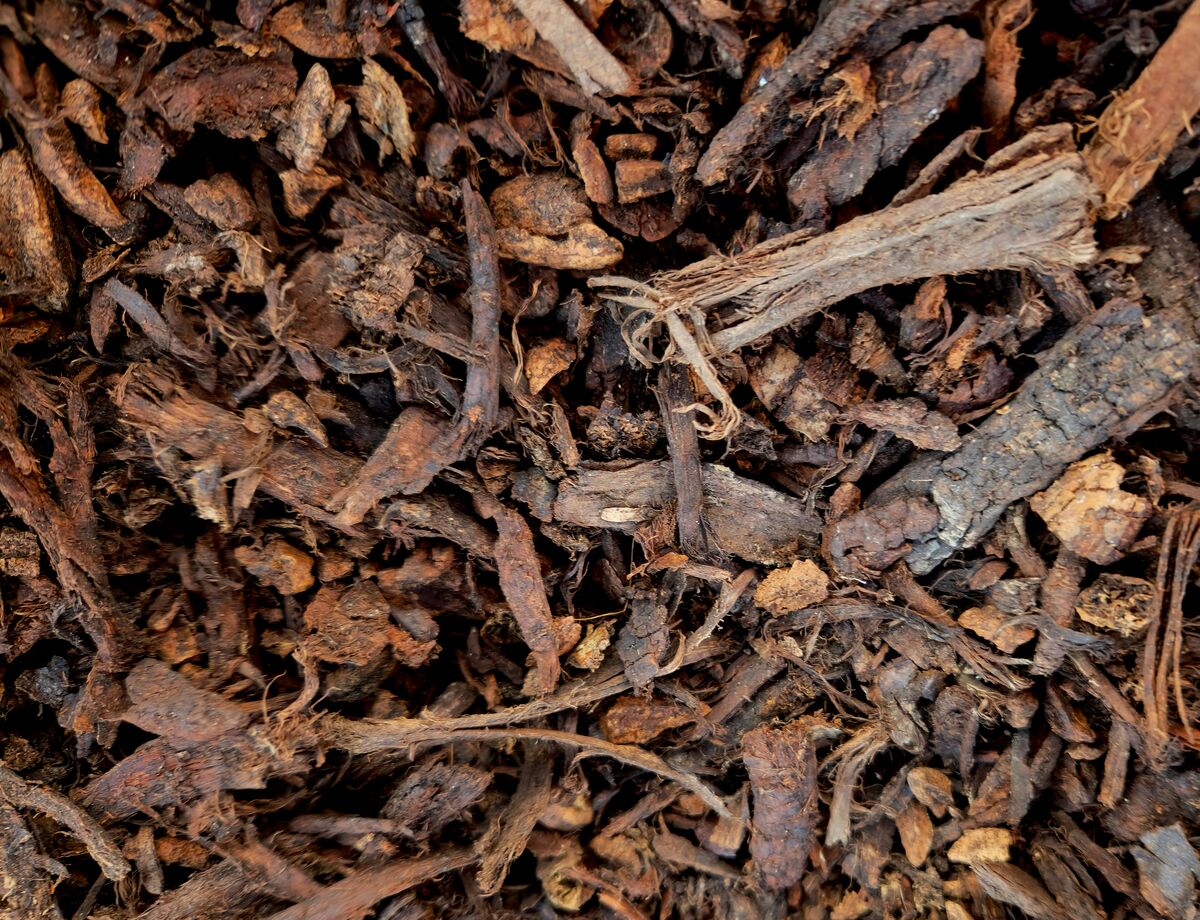
Wood chips, bark, pine straw, rubber, and cocoa shell do not behave the same way. Some break down faster, some last longer, and some are better suited to ornamental beds than planting areas. The reference table below is intended to help with that comparison.
Depth matters more than most people think. Here's the breakdown by situation:
Skip the volcano mulch. Seriously. That mound piled against tree trunks causes rot, invites pests, and eventually girdles the tree. Leave 6-12 inches clear around the base. Your trees will be healthier, and you won't be dealing with disease issues later.
A cubic yard covers about 108 square feet at 3 inches deep. Coverage goes up at shallower depth and drops quickly if the bed needs a thicker layer.
The exact yield still varies by product density and how much the bed settles after spreading.
Organic mulch keeps decomposing. Refresh it when you notice:
Here's the pro move: don't strip out the old stuff. Just layer new mulch on top. You save the labor of removal, and the bottom layer keeps decomposing underneath, feeding your soil. That's how you build soil gradually.
Get this right and your trees thrive. Get it wrong and you're paying an arborist later:
Skip the volcano mulch around your trees. That mulch piled up against the trunk causes rot — leave a 3-inch gap around the base. Volcano mulching looks neat temporarily, but it leads to disease, girdling, and damaged trees. Not worth it.
Organic (wood chips, bark, pine straw, cocoa): These break down and become soil. Better moisture retention. Your plants benefit from improving soil structure. Need replenishing over time. Superior long-term plant health.
Inorganic (rubber, rocks, plastic): Permanent or near-permanent. No soil enrichment happening. Can reflect excess heat. Create barriers that change how water moves. Better for utilitarian areas, playgrounds, around hardscape.
For actual plant beds? Organic mulch wins every time. Use inorganic when durability matters more than soil building — playground zones, parking lot edges, areas where replacement cost is the main issue.
| Mulch Type | Weight/Yard | Coverage @ 3" | Lifespan | Cost Range |
|---|---|---|---|---|
| Wood Chips | 400-600 lbs | 108 sq ft | 2-3 years | $25-40/yard |
| Bark Mulch | 500-700 lbs | 108 sq ft | 4-5 years | $35-60/yard |
| Pine Straw | 200-300 lbs | 125 sq ft | 3-4 years | $30-50/yard |
| Rubber Mulch | 600-800 lbs | 108 sq ft | 10+ years | $80-150/yard |
| Cocoa Shell | 400-500 lbs | 108 sq ft | 1-2 years | $50-80/yard |
Go with 3 inches. 2-4 inch range works, but 3 is the goldilocks zone — deep enough to suppress weeds and hold moisture, shallow enough you're not creating rot problems. Less than 2 inches won't cut it. More than 4 causes compaction issues. Always keep it 6-12 inches away from tree trunks.
One yard covers 108 sq ft at 3 inches — that's your baseline. Push it to 2 inches and you get 162 sq ft. Go deeper at 4 inches and you're down to 81 sq ft. The formula: 1 yard = 27 cubic feet divided by depth in feet. This calculator does the math so you don't have to.
Dyed mulch (red, brown, black) from reputable suppliers is fine. The dyes are non-toxic and won't harm soil or plants. The super-cheap stuff can be sketchy — just buy from a known source. Want to avoid dyes? Natural color mulch exists too. Most tested commercial dyed mulch is totally safe.
Refresh when it thins below 2 inches or weeds punch through. Wood chips need it every 2-3 years. Bark lasts 4-5. Pine straw every 3-4. Rubber goes 10+ years. Pro tip: layer new on top of old. The bottom layer keeps decomposing and feeding soil — you save labor and build better beds over time.
Mulch wins for plants. Better moisture, enriches soil as it breaks down, moderate price. Rock stays forever, looks clean, but reflects heat (stresses plants) and adds nothing to soil. For plant beds, mulch every time. Rock for decorative non-plant areas where you want permanent, low maintenance.
One yard holds about 13-15 bags of 2 cubic foot mulch, depending on density. Math: 27 cubic feet per yard divided by 2 per bag = 13.5 bags on average. This calculator gives you a working bag estimate based on the yards you need.