Rebar Calculator
Estimate bar count, linear footage, and weight for a slab or similar layout before you compare it to the structural detail.
Rebar Calculator
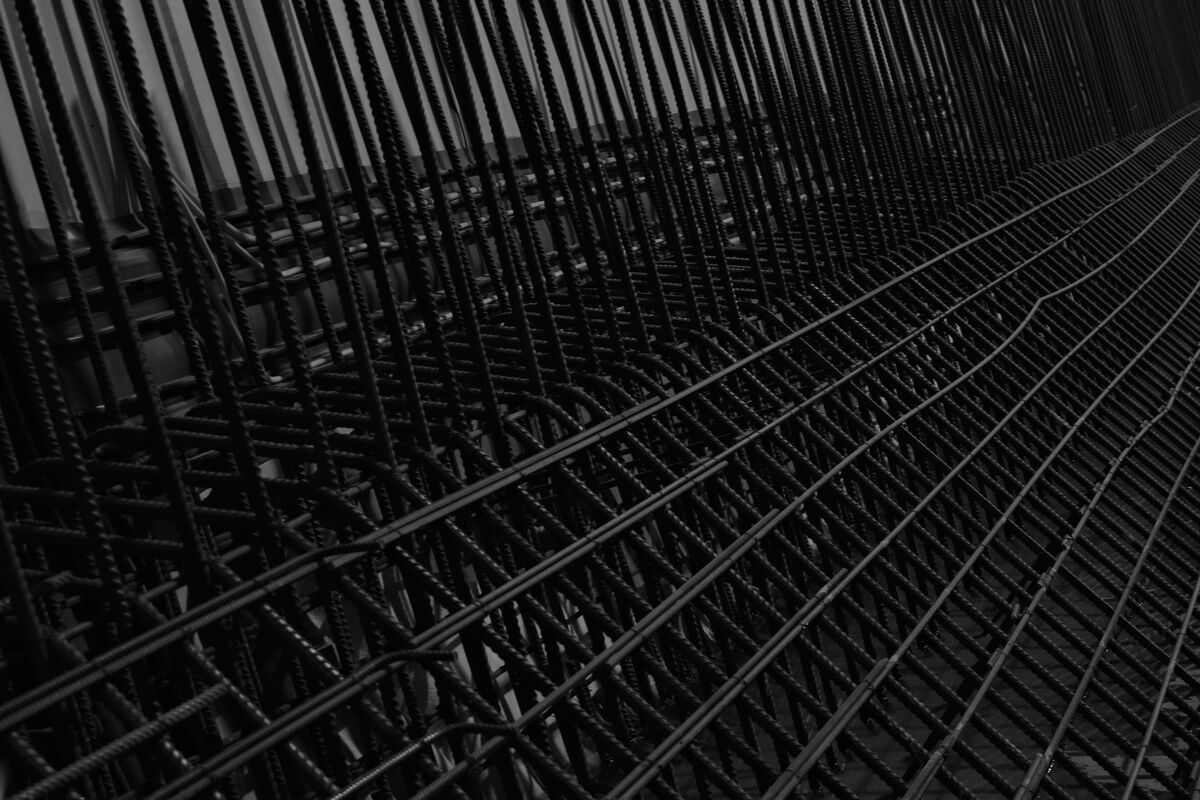
Typical rebar grid in a concrete slab with standard spacing
Rebar Quantity Reference
This page is for estimating bar count, linear feet, and weight from area and spacing. It is a planning tool only and should be checked against the actual reinforcement schedule for the pour.
Common Rebar Sizes
Rebar sizes are based on eighths of an inch. For example, #4 is 1/2 inch and #8 is 1 inch. #4 and #5 are common in many residential slab and footing layouts, while larger bars are used where heavier reinforcement is specified.
| Rebar Size | Diameter | Weight per Foot (lbs) | Common Uses | Cross-Sectional Area (sq in) |
|---|---|---|---|---|
| #3 | 3/8" | 0.376 | Light slabs, non-structural | 0.11 |
| #4 | 1/2" | 0.668 | Residential slabs, light loads | 0.20 |
| #5 | 5/8" | 1.043 | Standard slabs, medium loads | 0.31 |
| #6 | 3/4" | 1.502 | Heavy slabs, walls, footings | 0.44 |
| #7 | 7/8" | 2.044 | Heavy structures, columns | 0.60 |
| #8 | 1" | 2.670 | Beams, heavy footings, bridges | 0.79 |
| #9 | 1.128" | 3.400 | Heavy-duty structures | 1.00 |
| #10 | 1.27" | 4.303 | Bridge construction | 1.27 |
| #11 | 1.41" | 5.313 | Heavy bridge work | 1.56 |
Slab Rebar Layout Reference
For a typical slab grid, bars run in two directions. The estimate depends on slab dimensions, spacing, lap requirements, and any extra reinforcement needed at edges, openings, or thickened sections.
Basic Formula
- Bars one direction: (length / spacing) + 1
- Bars opposite direction: (width / spacing) + 1
- Total linear feet: total bars x run length
- Total weight: linear feet x weight per foot
Spacing Reference
Spacing depends on load, slab thickness, soil conditions, and the reinforcement detail.
- 12" spacing: Heavy duty—parking lots, industrial floors
- 16" spacing: Standard residential—most common, reliable
- 18" spacing: Light load slabs, low traffic
- 24" spacing: Minimal—sidewalks, utility stuff. Always check local codes.
Grade Reference
- Grade 40: older lower-strength reinforcing steel.
- Grade 60: common reinforcing steel for many modern applications.
- Grade 75: higher-strength reinforcement for specified uses.
Concrete Cover and Overlap
Concrete cover and lap splice length affect the usable rebar layout and should be included in planning. Cover helps protect the steel, and lap requirements can increase the total linear footage needed.
- Interior slabs: 3/4" to 1.5" cover (depending on exposure)
- Exterior slabs: 1.5" to 2" cover (for weather protection)
- Concrete beams: 1.5" to 2.5" cover
- Footings: 3" cover (protection from soil contact)
Lap Splice Length
When a run is longer than one stock bar length, lap splice requirements increase the total bar footage needed.
- #4 and smaller: 24 × bar diameter (minimum 12")
- #5 through #6: 30 × bar diameter
- #7 and larger: 40 × bar diameter
Ties and Supports
Tie wire, chairs, dobies, and other supports may also be part of the reinforcement material list depending on the pour detail.
- Tie at every intersection in exposed areas
- Tie every other intersection on interior slabs
- Use rebar chairs and supports to maintain proper cover distance
- Plan for approximately 0.5 lbs of tie wire per 100 lbs of rebar
Rebar Reference Table
| Size | Diameter | Weight per LF | 100 LF Weight | Standard Use |
|---|---|---|---|---|
| #3 | 3/8" | 0.376 lbs | 37.6 lbs | Light, non-structural |
| #4 | 1/2" | 0.668 lbs | 66.8 lbs | Residential slabs |
| #5 | 5/8" | 1.043 lbs | 104.3 lbs | Standard slabs |
| #6 | 3/4" | 1.502 lbs | 150.2 lbs | Heavy structures |
| #8 | 1" | 2.670 lbs | 267.0 lbs | Beams, heavy footings |