Brick Calculator
Estimate brick count, mortar, and rough material cost for a wall before you finalize waste, openings, and the actual bond pattern.
Brick Calculator
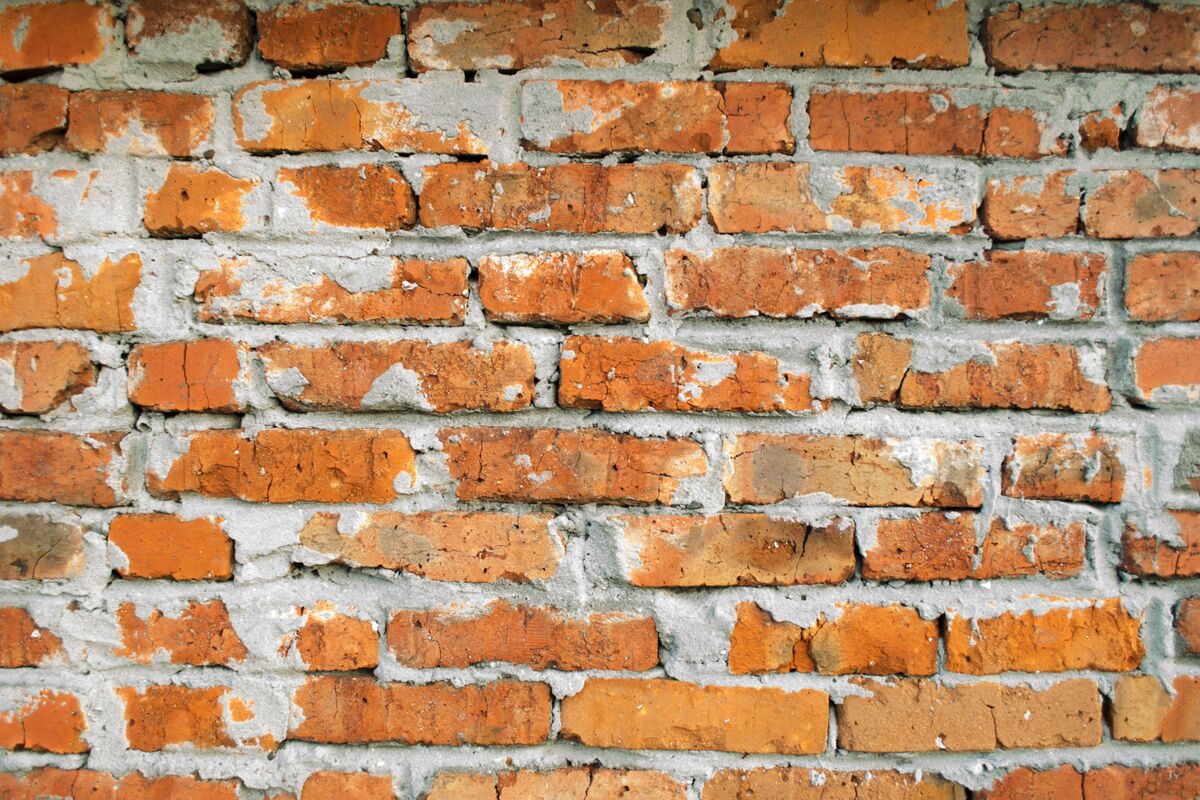
Typical running bond brick pattern with mortar joints
Brick Quantity Reference
This page is meant for early ordering checks. The brick count depends on face area, unit size, joint width, wall configuration, and the amount of waste the layout is likely to create.
Brick Type Changes the Count
Standard, queen, king, and utility brick do not cover the same face area. A wall laid with standard brick takes more units than the same wall laid with king brick, which is why the brick type has to be confirmed before the order is built.
| Brick Type | Size (inches) | Weight | Per Sqft | When to Use |
|---|---|---|---|---|
| Standard | 3.625×2.25×8.625 | 4–5 lbs | 6.5–7 | Residential, general work |
| Queen | 3×2.625×8 | 4–5 lbs | 5–5.5 | Speed up construction |
| King | 3×2.75×7.625 | 5–6 lbs | 4.5–5 | Specialty, architectural |
| Utility | 3.625×3.625×8.625 | 6–7 lbs | 3–4 | Heavy structural work |
Basic Brick Calculation
The usual starting point is wall area times bricks per square foot, then a waste allowance for cuts, damage, and jobsite loss. Openings reduce the gross area, but corners, returns, and cut pieces still keep the final number above a simple net-square-foot count.
Step-by-Step
- Measure wall length and height to get the gross wall area.
- Choose the actual brick type being used and confirm its coverage rate.
- Multiply wall area by bricks per square foot to get the base count.
- Add waste for cuts, breakage, and jobsite loss before ordering.
Example
A 30-foot by 10-foot wall has 300 square feet of face area. At roughly 6.5 standard bricks per square foot, the base count is 1,950 bricks before adding waste.
Adjustment Notes
- Wythe count: single and double wythe walls require different quantities.
- Joint thickness: thicker joints increase mortar demand.
- Openings: windows and doors reduce wall area but still create cut waste.
- Pattern: some layouts create more cutting and more waste than running bond.
Brick Weights & Mortar Requirements
| Brick Type | Face Area (sqft) | Weight per Brick (lbs) | Mortar per 1000 (3/8" joint) | Mortar per 1000 (1/2" joint) |
|---|---|---|---|---|
| Standard | 0.141 | 4.5 | 5–6 bags | 7–8 bags |
| Queen | 0.157 | 4.5 | 4–5 bags | 6–7 bags |
| King | 0.163 | 5.5 | 3–4 bags | 5–6 bags |
| Utility | 0.235 | 6.5 | 3–4 bags | 4–5 bags |
Ordering Notes
- Order 5-10% extra: Account for breakage, cutting, and damage during handling and delivery.
- Check color and manufacturer: Different manufacturers and batches vary slightly in color. Order all bricks from the same batch if color consistency is important.
- Plan delivery: A full pallet of bricks (approximately 500 units) weighs 2,500–3,200 lbs depending on brick type. Ensure proper unloading equipment.
- Verify specifications: Confirm compressive strength and freeze-thaw ratings match your local climate and structural requirements.
- Budget for mortar: Higher-quality mortar may cost more but provides better durability and appearance.