Gear Ratio Calculator
Calculate gear ratios, final drive ratios, and RPM at speed. Optimize your vehicle's performance and efficiency.
Gear Ratio Calculation
What is Gear Ratio?
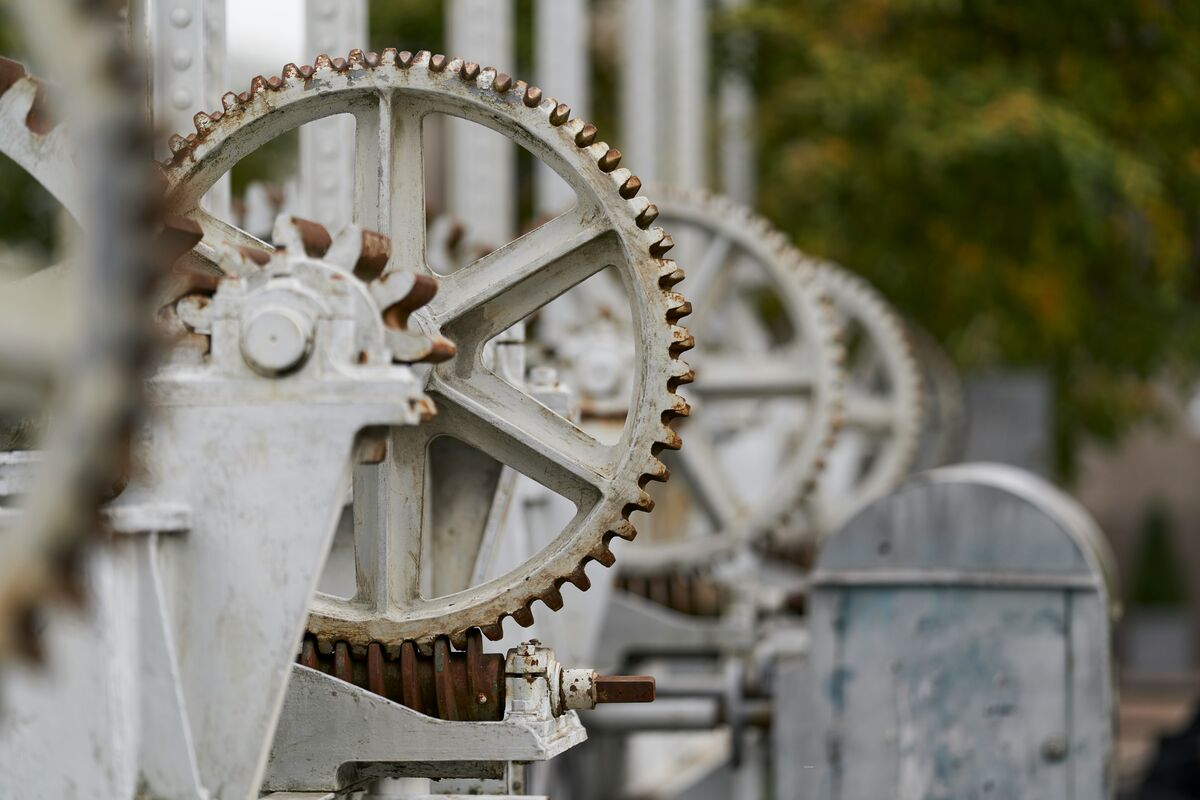
Look, gear ratio is just how many times your engine rotates compared to your wheels. A 3.73 ratio means the engine spins 3.73 times for every one rotation of the wheels. Simple as that. You'll see it written as 3.73:1.
Here's where it matters: higher ratios (like 4.10 or 4.56) juice up acceleration but tank your highway mileage. Lower ratios (2.73, 3.08) let you cruise efficiently but give you lazy off-the-line response. It's the classic tradeoff. A 3.73 rear end in a Mustang GT is honestly the sweet spot for street and strip work. You get respectable acceleration and your RPMs on the highway won't drive you nuts.
The Real-World Performance Tradeoffs
- Acceleration: Go with 4.10s and above if you want faster launches. Fair warning: your engine runs higher RPM at 70 mph.
- Fuel Economy: Lower ratios (2.73, 3.08) keep RPMs down on the freeway. Your wallet thanks you, but the stoplight gets the last laugh.
- Towing: Bigger ratios give you mechanical advantage for hauling. A truck running 4.10 will pull much easier than one with 3.55.
- Top Speed: High ratios cap your top end. Want to hit 160 mph? You'll need a low gear ratio.
Crawl Ratio (Off-Road Essentials)
Off-road guys care about crawl ratio. That's your lowest transmission gear multiplied by your axle ratio. A 4.70 diff times a 4.07 first gear = 19.1:1 crawl ratio. Anything 8:1 and up lets you creep over rocks without stalling. Lower crawl ratios mean you're fighting traction on technical terrain.
Overdrive: The Highway Secret
Modern transmissions have overdrive in 4th or 5th gear. That's anything under 1.0:1 (like 0.68:1). The wheels turn faster than the engine, which cuts RPMs and fuel consumption. It's why a 2024 sedan can do 70 mph at 1,500 RPM while a 1970 muscle car needs 2,500+ RPM.
Common Gear Ratios by Vehicle Type
| Vehicle Type | Common Ratios | What It's Good For |
|---|---|---|
| Economy Cars | 2.73:1, 3.08:1 | Long highway drives, fuel efficiency |
| Sports Cars | 3.45:1, 3.73:1 | Daily driving with bite, decent highway manners |
| Pickup Trucks | 3.55:1, 3.73:1, 3.92:1 | Towing and regular driving balance |
| Heavy Trucks | 4.10:1, 4.56:1, 5.13:1 | Serious towing, mountain grades |
| Jeeps & Crawlers | 3.73:1, 4.10:1, 4.88:1 | Rock crawling, technical terrain |
| Drag/Strip | 3.92:1, 4.10:1, 4.30:1 | Quarter-mile performance |
Using This Calculator
Three tabs here. The Basic Ratio tab takes ring and pinion tooth counts. The Final Drive tab combines transmission gearing with your axle ratio to show total overdrive multiplication. The RPM at Speed tab tells you exactly how many RPMs you're turning at highway speeds. Plug in your tire diameter for accuracy.