Carburetor Size Calculator
Calculate the correct carburetor CFM for your engine. Size your carb for optimal performance and fuel economy.
Calculate Required CFM
Volumetric Efficiency: 75-80% (stock), 85-95% (performance), 100%+ (forced induction)
What is CFM and Carburetor Sizing?
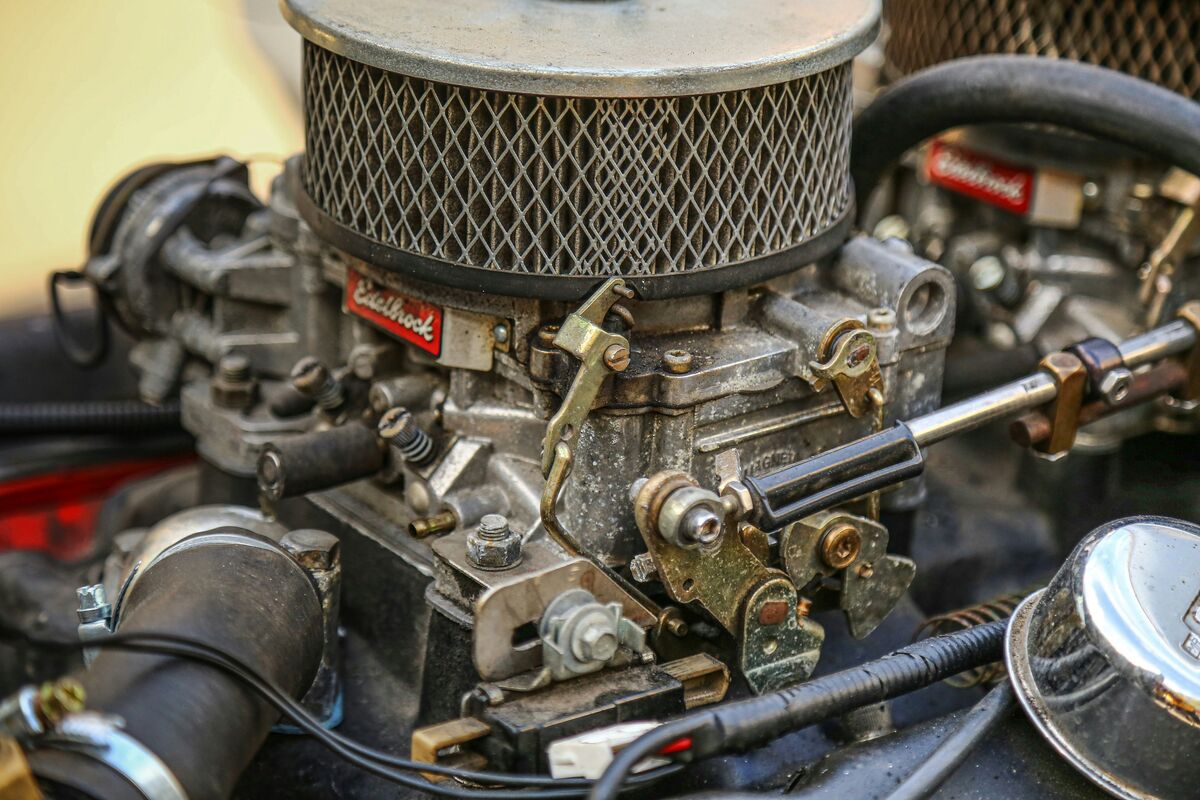
CFM is how many cubic feet of air per minute your carburetor can feed the engine. Get it right and your engine runs clean and responsive. Get it wrong and you've either starved it or turned it into a bogging monster at idle.
Most people buy carbs too big. A 600 CFM Holley covers a mild 350 just fine. That 750 double-pumper sounds cool, but it'll bog off the line because the engine can't pull enough air to keep the fuel signal strong at low RPM. Calculate based on your actual displacement and RPM, not hopes and dreams.
When Your Carb is Wrong
- Too Small: Engine runs lean, stutters under acceleration, overheats, loses power
- Too Large: Won't idle right, sags when you punch it, drinks fuel, awful throttle response
- Just Right: Clean idle, responsive throttle, proper fuel economy, strong power curve
Volumetric Efficiency—What It Really Means
VE is how efficiently your engine fills with air. Stock engines run 75-80% because they're restricted. Add a good intake and headers and you'll hit 95-105%. Force-induction (turbo/supercharger) can push 100-130% because the boost is cramming extra air in there.
Carburetor Sizes and Real-World Matches
| Carb Size | What It's Good For | Your Engine |
|---|---|---|
| 2-barrel 200-300 CFM | Economy cars and cruisers | 200-250 CID at 4000 RPM |
| 2-barrel 300-400 CFM | Small-block daily drivers | 300-350 CID at 5000 RPM |
| 4-barrel 450-500 CFM | Small-block performance | 350-400 CID at 5500 RPM |
| 4-barrel 600-650 CFM | Big-block or boosted builds | 400-500 CID at 6000 RPM |
| 4-barrel 750-800 CFM | Street/strip, serious power | 454+ CID at 6500+ RPM |
| 4-barrel 850+ CFM | Dedicated race engines | Purpose-built drag cars |
Carb Types: 2-Barrel vs 4-Barrel
2-barrels are simpler and actually better for low-end torque and idle quality. 4-barrels flow more air at high RPM and have secondary openers for response. Dual quads (two 4-barrels) are race-only and a nightmare to tune. Pick 2-barrel for cruisers, 4-barrel for performance.