Residential Electrical Load Calculator
Estimate residential service load using a floor-area minimum and entered major appliances. Verify the final result with the required code method before sizing service equipment.
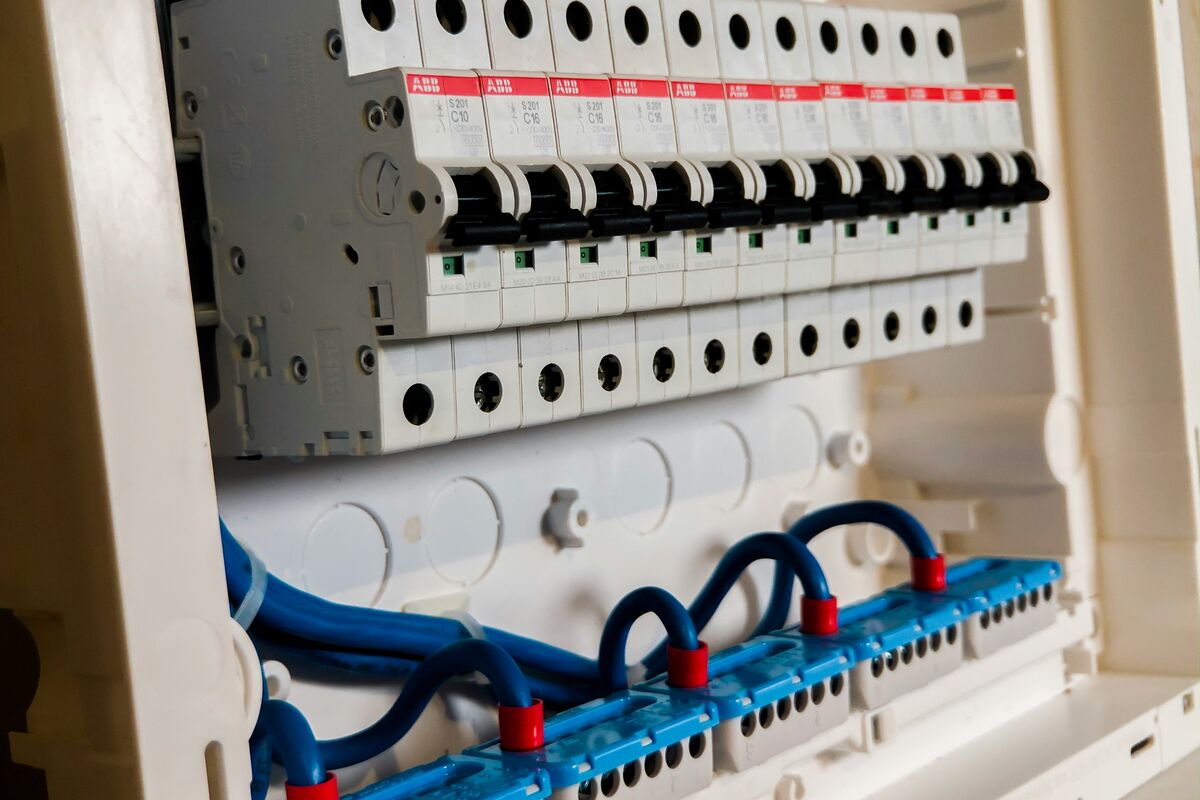
Electrical Load Calculation
What is Electrical Load Calculation?
Connected load is every major load added together at nameplate value. Demand load applies reductions and assumptions so the service is not sized as if every load ran at full output at the same time. This page gives a simplified residential estimate, not a permit-ready Article 220 worksheet.
The estimate here uses a floor-area minimum, a reduced general-load demand above the first 3000 VA, and the entered major appliances. That is useful for rough sizing, but local code adoption, optional methods, and additional loads can change the final answer.
Connected vs. Demand (The Real Difference)
If you added every appliance's full power rating, the total would usually be much higher than the service actually needs to support under the calculation method. Demand factors and diversity assumptions are what make service sizing practical.
How the NEC Actually Calculates Demand
- General load: Uses the larger of entered general load or 3 VA per square foot, then applies 100% to the first 3000 VA and 35% to the balance.
- Heating or cooling: Uses the entered HVAC load at 100% as a simple stand-in for the larger noncoincident climate load.
- Major appliances: Adds the entered water heater, dryer, dishwasher, garage load, and a reduced electric range value.
- Important: This is a simplified estimate and does not replace a full Article 220 calculation.
Service Sizes and What They Support
| Service Size | Max Amps | Max Power (kW) | Typical Home |
|---|---|---|---|
| 60A | 60 | 14.4 | Very old or tiny homes |
| 100A | 100 | 24 | Small house, 1200-2000 sqft |
| 150A | 150 | 36 | Medium house, 2000-3500 sqft |
| 200A | 200 | 48 | Large house, 3500+ sqft, electric heat |
| 300A | 300 | 72 | Huge homes, all-electric, EV charging |
When Your Service Needs an Upgrade
There is not a blanket NEC rule that a service must stay under 80% of its rating. Continuous loads and equipment ratings have their own rules, and leaving headroom is a design choice rather than a single universal service threshold. If you are close to the next standard service size, run a full load calculation instead of relying on a shortcut.