Pool Pump Size Calculator
Estimate the flow rate, pipe velocity, and a practical residential pump-size range for your pool circulation system.
Pump Sizing Inputs
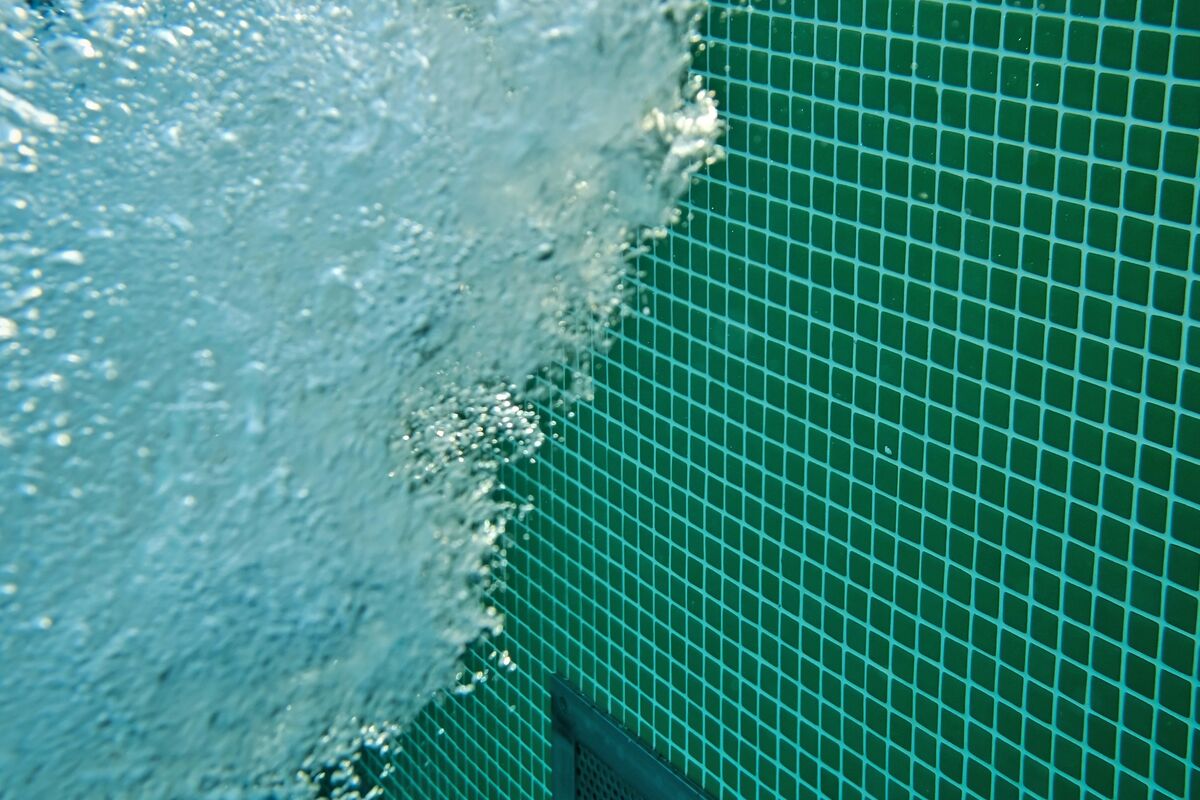
Pool pump circulation: suction from main drain, return through jets
Pump Sizing 101: Don't Get It Wrong
Turnover: The Foundation
Turnover is how many times your pump cycles the entire pool volume through the filter per day. One turnover (8-hour run) is the baseline. Most pools do fine on 1x daily. Hot tubs need 2x. Commercial facilities? Maybe more.
The math: pool volume ÷ turnover hours ÷ 60 = GPM. So 20,000 gallons ÷ 8 hours ÷ 60 = about 42 GPM minimum.
GPM: The Real Number
Here's what matters: your pump moves water (GPM) and you need enough flow to clean the pool. Too small a pump? Your water stays dirty. Too large? You're wasting electricity and dealing with noise.
A Pentair IntelliFlo VS runs circles around a single-speed Hayward. Variable speed pumps pay for themselves in 12–18 months on electric savings alone.
Real example: 20,000-gallon pool, 8-hour turnover = 42 GPM minimum. A 1 HP pump can handle it if head pressure is low. At higher pressure (25+ feet), same pump might only do 30 GPM.
Head Pressure (The Hidden Factor)
Head is resistance the pump fights. Your filter's pressure rating, the height of your filter above the pool, pipe length—it all adds up. Ignore this and you'll buy a pump that disappoints.
Most residential setups run 15–30 feet of head. Your filter's pressure gauge (psi) × 2.31 = feet of head. If you're unsure, use 20 feet as a guess.
Pipe Size Matters
Small pipes = high friction = bad. Water speed should be 6–8 ft/s in suction lines, 8–10 ft/s in return lines. Most residential pools use 2-inch pipe. Going smaller saves money upfront, costs money in wasted energy and noise.
Single-Speed vs Variable-Speed: The Real Talk
Single-speed: Runs full blast all the time. Cheap upfront ($500–1000). Costs $400–600/year to run on a typical residential pool.
Variable-speed: Smart pump that adjusts to demand. Pricier ($1500–3000) but runs at 25–50% power most of the time. Same pool costs $150–250/year. Do the math: 5-year payback, then free savings forever.
If you're keeping your pool beyond 5 years, variable-speed is a no-brainer.
Matching Pump to Your Setup
Pump manufacturers publish performance curves. A "1 HP pump" means nothing without head rating. At zero head it might do 80 GPM. At 20 feet head, maybe 40 GPM. Use the curve. Match your actual GPM and head needs to what the pump actually delivers.
Standard residential: 0.75–1.5 HP. Anything bigger and you've got a commercial pool.
Pool Size to Pump Size Reference
| Pool Volume | Req. GPM (8h) | Req. GPM (6h) | Typical HP | Energy/Year |
|---|---|---|---|---|
| 10,000 gal | 21 GPM | 28 GPM | 0.75 HP | $300–400 |
| 15,000 gal | 31 GPM | 42 GPM | 0.75–1 HP | $400–550 |
| 20,000 gal | 42 GPM | 56 GPM | 1–1.5 HP | $500–700 |
| 25,000 gal | 52 GPM | 69 GPM | 1.5–2 HP | $600–850 |
| 30,000 gal | 63 GPM | 83 GPM | 2–2.5 HP | $700–1000 |
Energy costs assume single-speed pump at $0.14/kWh and 2000 run hours/year. Variable-speed pumps use 50–75% less energy.