Board Foot Calculator
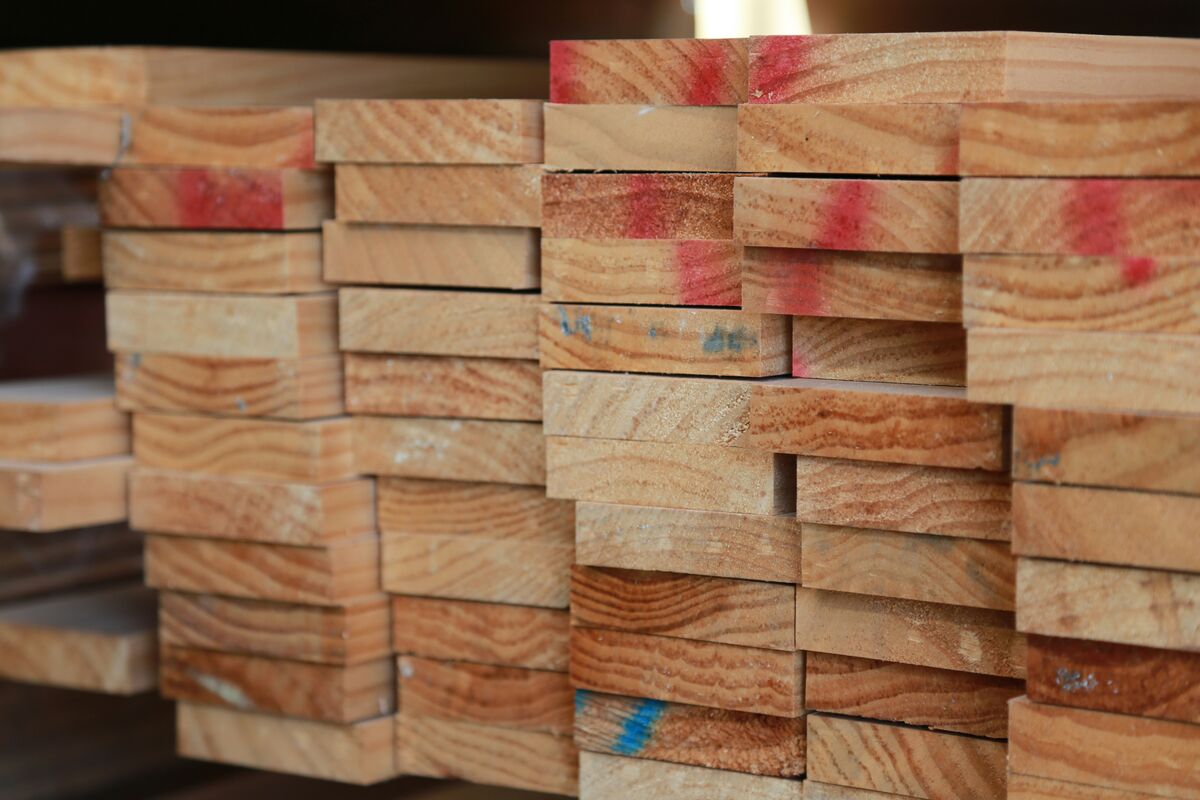
Use nominal lumber dimensions, length, and quantity to estimate board feet before pricing stock or comparing supplier quotes.
Board Foot Calculator
Board Foot Reference
A board foot is 144 cubic inches of wood. The formula is straightforward: thickness in inches multiplied by width in inches multiplied by length in feet, then divided by 144.
How This Page Is Used
The calculator is useful when you need to convert stock dimensions into billable volume, compare board-foot pricing between suppliers, or get a rough cost before ordering.
Quick Reference: Common Lumber Sizes
Don't want to do the math every time? Here's a cheat sheet for standard dimensions:
| Size | Per Linear Foot | Per 8ft Board | Per 10ft Board | Per 12ft Board |
|---|---|---|---|---|
| 1×4 | 0.33 BF | 2.67 BF | 3.33 BF | 4 BF |
| 1×6 | 0.5 BF | 4 BF | 5 BF | 6 BF |
| 1×8 | 0.67 BF | 5.33 BF | 6.67 BF | 8 BF |
| 1×10 | 0.83 BF | 6.67 BF | 8.33 BF | 10 BF |
| 1×12 | 1 BF | 8 BF | 10 BF | 12 BF |
| 2×4 | 0.67 BF | 5.33 BF | 6.67 BF | 8 BF |
| 2×6 | 1 BF | 8 BF | 10 BF | 12 BF |
| 2×8 | 1.33 BF | 10.67 BF | 13.33 BF | 16 BF |
| 2×10 | 1.67 BF | 13.33 BF | 16.67 BF | 20 BF |
| 2×12 | 2 BF | 16 BF | 20 BF | 24 BF |
Real Lumber Prices You'll Actually Pay
So you've got your board feet calculated. Now, what's it worth? Pine lumber runs about $3-$5 per BF at most mills. Nothing fancy. Cherry? That'll run you $7-$9 per BF if you're not too picky about the grade. Walnut—the stuff people actually want—runs $12-$15 per BF for plain sawn, and it's been creeping up.
That 2×8×10 walnut we mentioned earlier? 13.33 BF at $12/BF gets you north of $160. Figured walnut? Forget about it. You're looking $20+ per BF easy.
Prices bounce around with the market, especially for hardwoods. Lumber was insane in 2021 (pandemic panic buy era). Now? Still higher than pre-COVID, but we're not seeing the crazy spikes anymore.
Rough Sawn vs. S4S—What You're Really Getting
Rough sawn lumber comes straight off the mill without surfacing. Unsanded, rough on all four sides. You calculate board feet using the nominal dimensions—a rough 2×4 is 2" × 4" for BF purposes, even though it actually measures closer to 1.9" × 3.9" because of mill tolerances.
S4S? That means "surfaced four sides"—planed smooth on all faces. A nominal 2×4 S4S actually measures about 1.5" × 3.5" (the real surfaced dimensions). You still use the 2×4 nominal when calculating board feet; that's the industry standard. Get it wrong and your cost estimate gets ugly fast.
Pro tip: If you're buying rough, pull out a caliper and spot-check dimensions, especially if you're working with hardwoods. Moisture content matters too—freshly milled lumber shrinks as it dries, so don't assume nominal = actual until it's acclimated.
Log Volume: Doyle, Scribner, and International Scales
Buying logs or whole trees? Nobody just weighs them. Instead, timber cruisers use scaling rules—mathematical formulas that estimate volume based on diameter and length. The three main ones aren't interchangeable.
- Doyle Scale: The workhorse in the East and Midwest. Simple formula, but it screws over small-log owners because it underestimates logs under 16 inches. If you're selling logs under that diameter, push for International or negotiate the price higher.
- Scribner Scale: Pacific Northwest standard. More accurate for small logs than Doyle, but still not perfect.
- International 1/4" Rule: The fairest across all log sizes. Gives consistent estimates whether you're selling a 10-inch or 30-inch log. More and more mills are using it because it's honest.
Same 20-inch, 8-foot log? Doyle says 94 BF. Scribner says 92. International says 101. Big difference in your paycheck if you're selling timber. Always know which scale the buyer's using.
Example: Real-World Pricing Scenario
Let's say you're building a simple bookshelf and need pine:
- Two shelves: 2×8×4 pieces (0.67 BF each = 1.33 BF total)
- Two sides: 2×10×3 pieces (0.63 BF each = 1.25 BF total)
- Back: 1×6 × 4 feet (0.2 BF)
- Total: 2.78 BF
At $4/BF (typical for construction-grade pine)? You're looking at $11.12 total lumber cost. Pull 10 boards, you're at about $30. Not bad. Now switch to walnut for a fancier project: same dimensions, $13/BF, you're north of $36 just for wood.