Gutter Size Calculator
Estimate gutter size and downspout count for your roof and climate category. Use it as a planning guide before final design and install details.
Gutter Sizing
Size Your Gutters Right or Water Wins
Undersized gutters overflow. Then water pours down your fascia, rots your siding, and erodes the soil around your foundation. Most homes land in the 5-inch or 6-inch K-style range, but steeper roofs and wetter climates push you toward larger gutters and more downspouts. Use this page as a sizing guide, then verify final layout, outlet placement, and local rainfall assumptions for the house.
Gutter Styles and What They Actually Catch
- 5" K-Style: Standard residential, handles 95-125 GPM, most common choice.
- 6" K-Style: 170+ GPM capacity, for large roofs and wet climates, worth the upgrade.
- 5" Half-Round: Prettier, lower capacity, harder to clean leaves out of.
- 6" Half-Round: Better than 5" half-round but still not the capacity of K-style.
Roof Pitch Matters
Steep roofs (9:12 and up) shed fast. Water hits the gutter hard and quick. 3:12 roofs are mellow—water moves slower. Same roof area, steeper pitch, bigger gutter. This isn't optional math.
Gutter Sizing by Roof Size
| Roof Area | Gutter Size | Downspout Count | Spacing |
|---|---|---|---|
| 0-500 sqft | 5" K-style | 1 | Single |
| 500-1000 sqft | 5-6" K-style | 2 | 40-50 ft |
| 1000-1500 sqft | 6" K-style | 2-3 | 30-40 ft |
| 1500-2000 sqft | 6" K-style | 3 | 25-35 ft |
| 2000+ sqft | 6"+ K-style | 4+ | 20-30 ft |
Where Downspouts Go
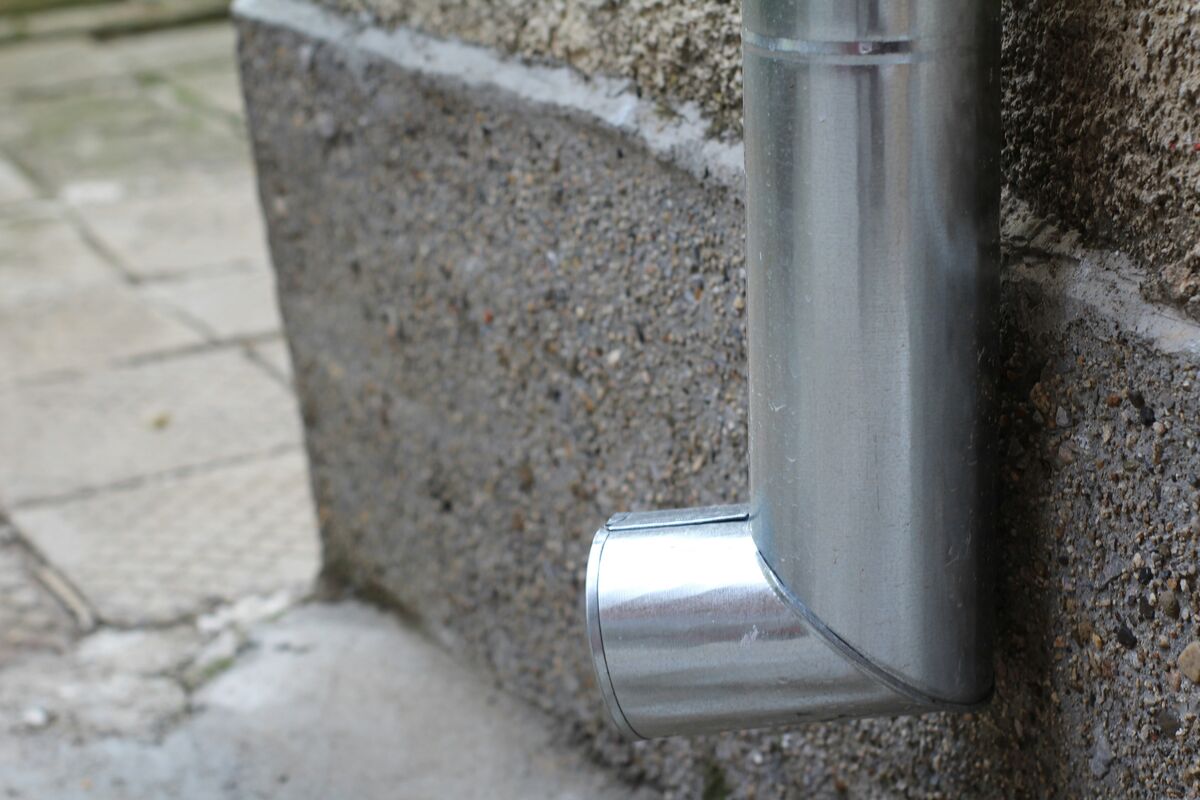
At least 4-6 feet from your foundation. Water pooling next to the house = foundation problems in a few years. Use splash blocks or better yet, underground drain pipes that carry water far away. Don't cheap out here—a failed foundation costs $10k+.